Industries
Industries
By Dusaw Team
Still dealing with the "red blink" of death and frustrated guests at the front desk? Choosing a modern hotel door lock system isn't just about picking the sturdiest piece of metal anymore—it’s about the invisible experience. From mobile-first keys to audit trails that actually make sense, here is what you need to know to future-proof your property and keep your guests coming back.
Let’s be honest: nobody actually likes traditional hotel keycards. We’ve all been there, you’ve just survived a ten-hour flight, you finally get to your room with three suitcases in tow, and you swipe the card only to see that dreaded red blink. Back to the lobby you go. If you’re running a hotel, that "red blink" isn't just a minor inconvenience for your guest, it’s a friction point that slows down your front desk and chips away at your online reviews.
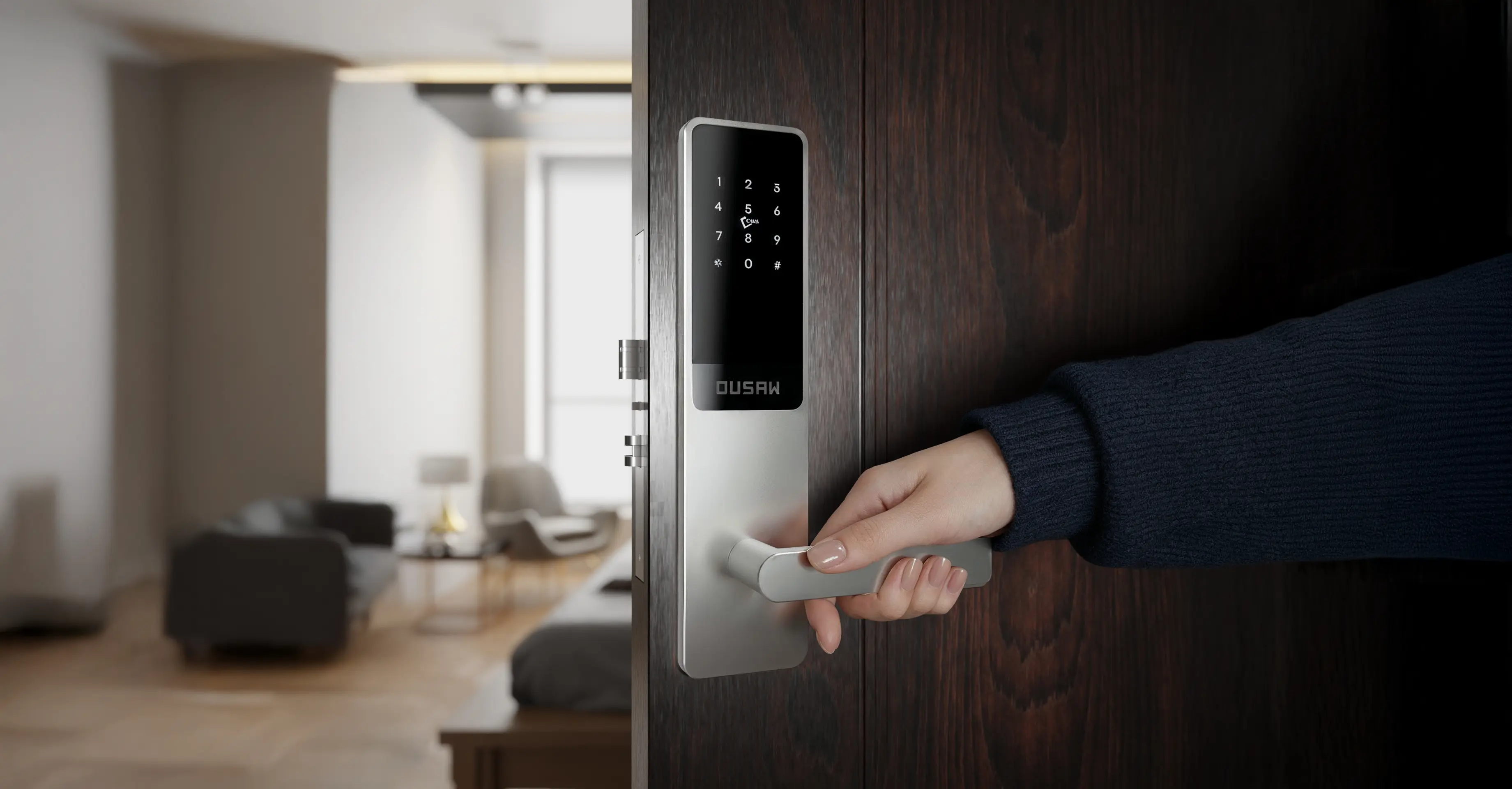
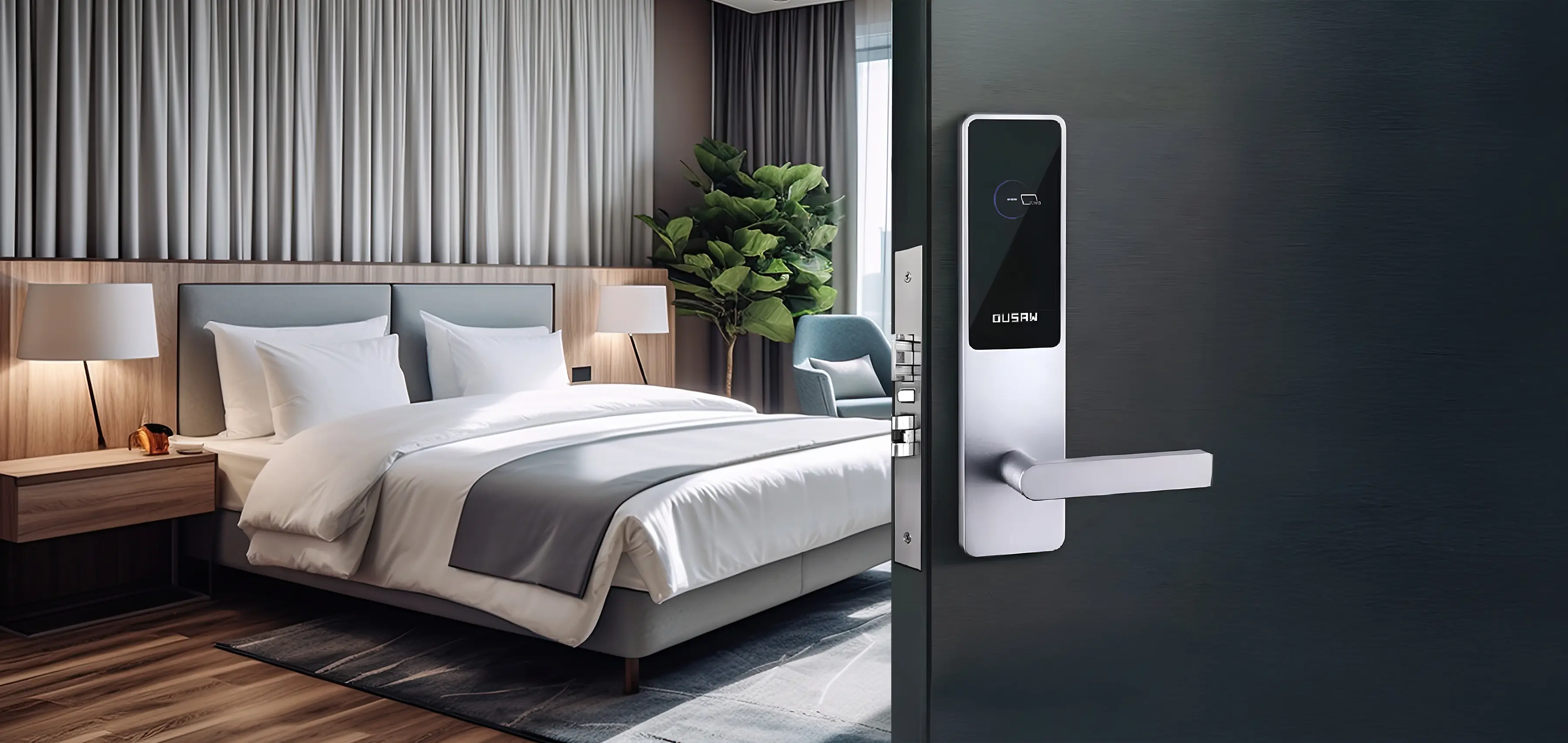
Choosing a hotel door lock system used to be about finding the sturdiest piece of metal. In 2026, it’s about the "invisible" experience. Here’s a look at what’s actually moving the needle in hotel security right now.
The Shift from RFID to "Mobile-First"
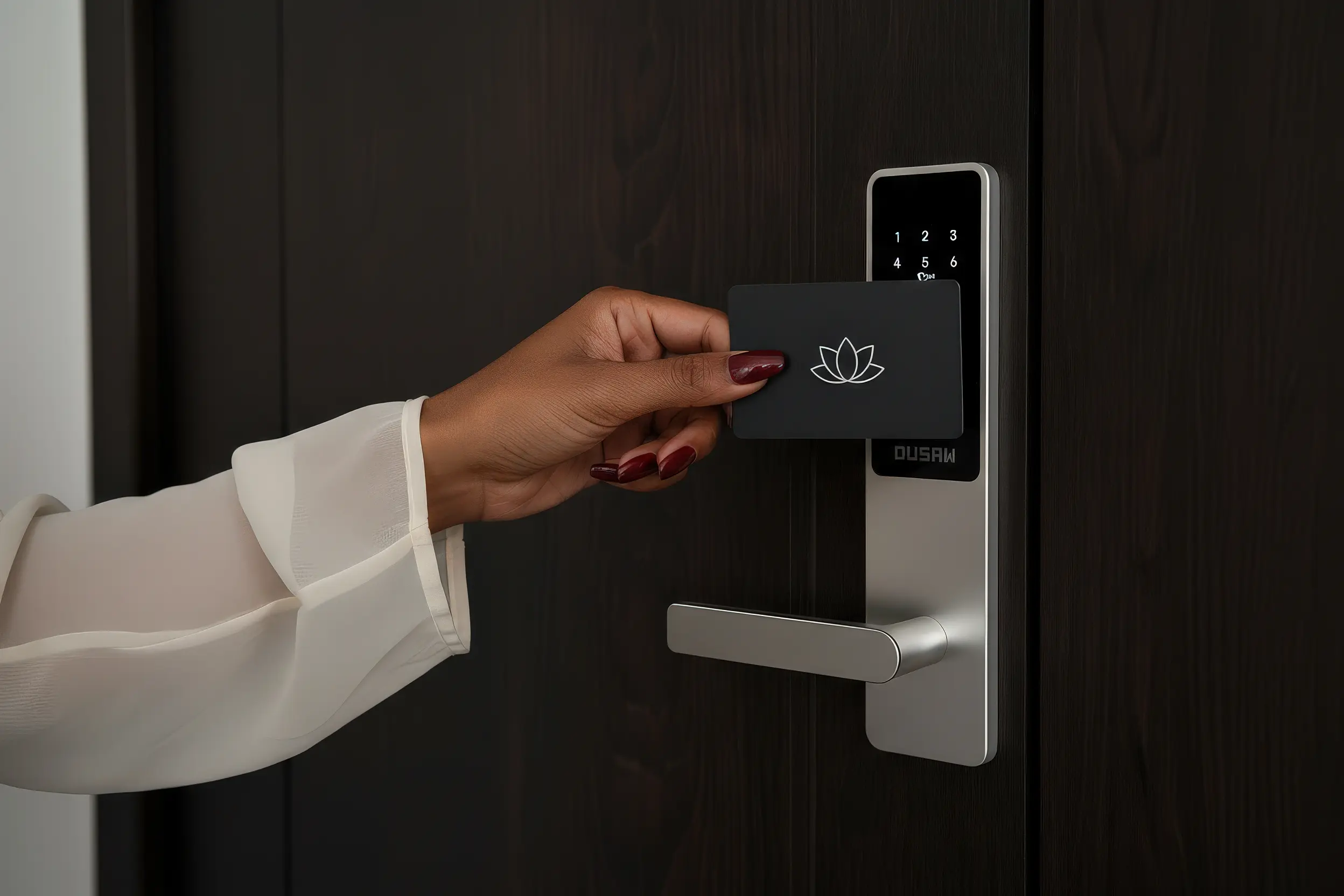
While RFID (Radio Frequency Identification) is still the industry standard, the world is moving toward BLE (Bluetooth Low Energy).
The goal? Keyless entry.
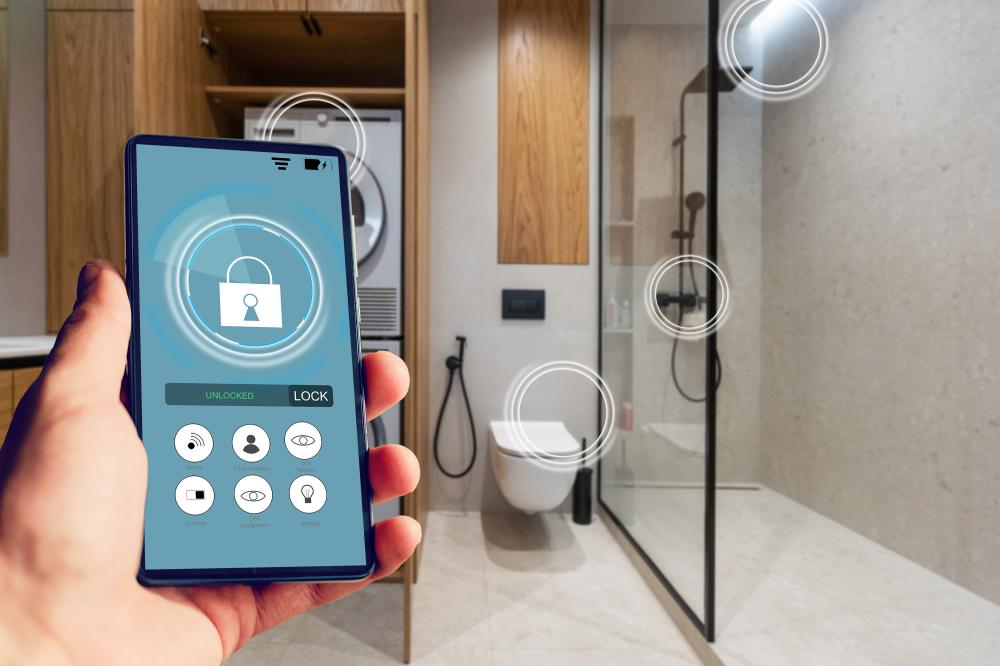
When a guest can check in on their phone and walk straight to their room using a digital key, you’ve removed the biggest bottleneck in the building: the check-in line. If you're looking to upgrade, ensure your system is "future-proof", meaning it can handle physical cards now but has the hardware to support mobile keys when you're ready to flip the switch.
Security That Doesn't Sleep
A lock is only as good as the data behind it. Modern hotel door lock systems provide an audit trail that is worth its weight in gold.
Who entered the room? What time did the housemaid finish? Was the door left propped open?
Having this data at your fingertips doesn't just help with security; it helps with staff management and liability.
The "Hidden" Costs: Battery and Integration
Here’s something the sales brochures usually gloss over: maintenance.
If your lock system requires a proprietary battery that costs $15 a pop and dies every six months, your "affordable" system just became an expensive nightmare. Look for systems, like those we prioritize at Dusaw, that emphasize long battery life and standard power sources.
Furthermore, your locks need to "talk" to your Property Management System (PMS). If they don't sync, you’ll spend your life manually entering data. It should be seamless.
Why the Hardware Matters (The Dusaw Difference)
At the end of the day, a hotel lock is a piece of high-traffic machinery. It gets slammed, pulled, and exposed to salt air or humidity.
We’ve seen too many hotels opt for "cheap" locks only to replace them three years later because the finish is peeling or the handles are sagging. When we talk about a hotel door lock system, we’re talking about an investment in your building's infrastructure.
What to look for in the physical build:
Stainless Steel or High-Grade Alloys: Don't settle for plastic-heavy components.
Anti-Panic Functions: Guests need to be able to exit quickly in an emergency, no matter what.
Weatherproofing: Essential if your room doors face the outdoors.
Upgrading your locks is about more than just security; it’s about the first physical interaction a guest has with their room. It should feel solid, look modern, and, most importantly, work the first time, every time.
Thinking about an upgrade? Whether you’re a boutique stay or a large-scale resort, we can help you figure out which tech fits your floor plan (and your budget).