Industries
Industries

By Dusaw Team
The hospitality industry is continuously seeking ways to enhance security and guest convenience, and the advent of smart locks has revolutionized this pursuit. Best Hotel Smart Locks offer a sophistic...

The hospitality industry is continuously seeking ways to enhance security and guest convenience, and the advent of smart locks has revolutionized this pursuit. Best Hotel Smart Locks offer a sophisticated blend of security and user-friendliness, catering specifically to the needs of modern hotels. These locks provide seamless control, allowing property managers to effortlessly handle guest access while ensuring top-notch security.
Hotel smart locks are equipped with cutting-edge technology, offering features such as keyless entry, mobile credentials, and integration with existing hotel management systems. This technology streamlines the check-in process, enhances security protocols, and even lowers operational costs. For hotel proprietors committed to elevating guest experiences, investing in the Best Hotel Smart Locks is a strategic move.
One of the defining aspects of Best Hotel Smart Locks is their robust security features. These locks utilize encrypted communication, ensuring guest data is protected against potential breaches. In an age where data security is paramount, this feature alone significantly boosts a hotel’s credibility and trustworthiness.
Another notable advantage of these locks is their seamless integration capabilities. DUSAW, a prominent player in this field, offers powerful API integration that enables property managers to incorporate smart locks into their existing systems. This means real-time monitoring and management are just a few clicks away, enhancing the operational efficiency of hotel staff.
The user-friendly design of these smart locks cannot be overstated. Intuitive interfaces ensure that both hotel staff and guests can easily operate them without requiring extensive training or technical support. Such a straightforward approach to security technology minimizes disruptions and maximizes guest satisfaction, making the investment in the Best Hotel Smart Locks truly worthwhile.
Hotels worldwide are already experiencing the transformative effects of Best Hotel Smart Locks. For example, prestigious establishments such as Parker New York and Resorts World Catskills have implemented these locks, yielding remarkable improvements in security management and guest experiences. The positive feedback from guests frequently highlights the ease and convenience of keyless entry, adding a modern touch to their stays.
Beyond mere security, these locks also contribute to operational efficiency. With digital access management, hotel staff can allocate more time to enhancing guest services, reducing the administrative burden typically associated with key management. This shift not only improves staff productivity but also elevates the overall guest experience, a vital consideration in the fiercely competitive hospitality sector.
An anecdotal account from a manager at Four Points LAX illustrates the practical advantages of adopting Best Hotel Smart Locks. The manager reported a significant decrease in key-related incidents, such as lost keys or unauthorized room access. These tangible benefits underscore why such technology is becoming an indispensable part of modern hotel operations, proving its worth in both enhancing security and improving customer satisfaction.
Despite the clear advantages, some hotel operators may harbor reservations about transitioning to smart locks. Concerns typically revolve around costs, potential technical issues, and the impact on guest experiences. However, these apprehensions are often mitigated through careful provider selection and underscoring the long-term benefits of such an investment.
The initial cost of installing the Best Hotel Smart Locks can indeed seem daunting, but DUSAW offers scalable solutions tailored to a hotel’s specific needs. This flexibility ensures that regardless of the hotel’s size or budget constraints, there is a viable smart lock solution available. Additionally, the reduction in ongoing expenses related to traditional locks, such as key replacements, often offsets the initial investment.
Technical issues, another common concern, are minimized through the support infrastructure provided by leading suppliers like DUSAW. Their comprehensive customer support system helps manage any teething problems during the transition phase, ensuring that hotel operations run smoothly. Furthermore, the reliability of modern smart lock technology means that such issues are less frequent and easier to resolve than many anticipate.
Ultimately, the shift towards smart locks signifies a broader commitment to enhancing guest experiences and operational efficiency within the hospitality industry. By embracing the innovations offered by the Best Hotel Smart Locks, hotels can ensure they remain competitive and appealing to the tech-savvy traveler of today.

For decades, hotel door locks have been a symbol of security and privacy, evolving from simple metal keys to sophisticated smart systems. Initially, keys dominated the industry, easily replaceable and surprisingly unsecure in comparison to today’s standards. Electronic locks then ushered in a new era, providing enhanced safety with programmable keycards, reducing the risk of lost or duplicated keys.
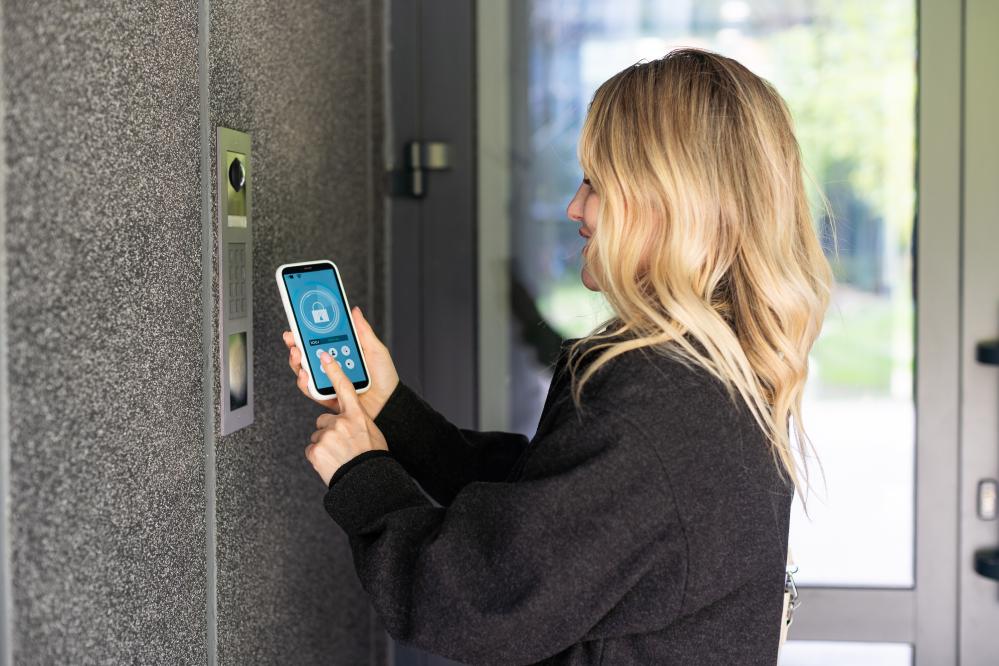
Presently, Hotel Door Locks are undergoing another transformation with the advent of smart technology. These advanced systems integrate seamlessly with mobile devices, allowing guests to unlock rooms via their smartphones. DUSAW, a forerunner in this field, merges robust hardware with agile software, guaranteeing peace of mind for both guests and hotel managers. This evolution not only enhances security but also aligns with the digital convenience that modern travelers expect.
Moreover, smart locks offer a level of flexibility and control previously unimaginable. Hotels can provide time-sensitive access, update security protocols remotely, and offer personalized experiences. This adaptability ensures that Hotel Door Locks remain secure and meet the dynamic needs of hospitality venues.
The transition to smart technology in hotel door locks has revolutionized the security landscape. Not only do these locks provide enhanced protection against unauthorized access, but they also offer a detailed audit trail of door activity. This means hotel managers can track who opened a door and when, adding another layer of security.
DUSAW’s smart locks exemplify this advancement, featuring an intuitive API integration that allows hotels to integrate these locks into their existing systems effortlessly. With real-time monitoring and the ability to quickly revoke or grant access, these smart locks empower hotel managers to maintain high security standards.
Additionally, smart locks minimize common security threats such as keycard cloning and lock picking. By using encrypted digital keys and multi-factor authentication, hotels can ensure that unauthorized attempts are thwarted. The impact of this technological leap is substantial, instilling confidence in guests that their privacy is well-guarded.
Aside from security, the practical benefits of smart locks in hospitality settings are significant. By eliminating the need for physical keycards, hotels significantly reduce their environmental footprint, aligning with sustainability goals. The simplicity of using one’s smartphone as a key also enhances the guest experience by offering seamless check-ins and check-outs.
Furthermore, smart locks offer operational efficiency, reducing the burden on staff to handle lost keys or assist with room changes. The guest’s smartphone becomes their entry card, concierge, and personal guide, revolutionizing hotel operations. DUSAW’s solutions are designed to blend seamlessly into this ecosystem, ensuring a smooth and secure guest journey throughout their stay.
The ongoing evolution of Hotel Door Locks marks a transformative era in the hospitality industry, driven by customer expectations and technological advancements. Those who embrace this change, like DUSAW, find themselves at the forefront of innovation, setting new standards for security and guest satisfaction. By investing in smart lock technology, hotels not only enhance their security measures but also future-proof their operations for the digital age.
In an era where security and convenience go hand in hand, Hotel Smart Locks are revolutionizing the hospitality industry. These devices bring a new layer of sophistication to hotel management, allowing for seamless control of guest access. DUSAW has been at the forefront, providing state-of-the-art smart locks that elevate not only security but also the guest experience. Property managers are finding that Hotel Smart Locks simplify the burdensome task of managing hundreds of room keys.
Hotel Smart Locks eliminate the need for traditional keys, which can be easily lost or duplicated. Instead, guests can access their rooms with a simple swipe of a card, a smartphone app, or even a text message, ensuring a frictionless check-in experience. For DUSAW, the focus is on simplicity and security, integrating cutting-edge technology with user-friendly interfaces. Such features empower guests with more control over their accommodations while providing hotel staff with efficient ways to manage access and security.
At the heart of Hotel Smart Locks is the potent blend of innovation and safety, offering more than just a keyless entry. DUSAW’s smart locks are equipped with robust software that not only enables secure access but also integrates easily into existing hotel systems. This API integration makes it simple for property managers to monitor and control access remotely, thus enhancing overall operational efficiency.
One key innovation is DUSAW’s focus on customizable access schedules, which allows hotel staff to allocate different levels of access to various areas, such as gyms, pools, and conference facilities. This level of control reduces unauthorized entries and enhances guest security, a critical component in the hospitality sector. Hotels can also use data analytics from the smart lock systems to track guest preferences and improve services.
For the hospitality industry, maintaining a delicate balance between top-notch security and guest satisfaction is crucial. DUSAW’s Hotel Smart Locks offer just that, tailored to meet the unique needs of varied properties. Be it a luxury resort or a boutique hotel, the locks provide adaptable options to accommodate distinctive guest requirements while securing property assets efficiently.
The influx of digital innovations in hotel security has dismantled traditional protocols, offering guests an atypical yet elevated stay. My own experiences as a frequent traveler echo this sentiment; the convenience of Hotel Smart Locks often tops my list of memorable hotel features. As someone who has misplaced more room keys than I care to admit, the seamless swipe channel of DUSAW’s locks provides a comforting sense of security and ease.
Guests with mobility challenges or those traveling with children find Hotel Smart Locks particularly beneficial, eliminating the cumbersome juggling of keys. The locks have transformed not only the guest experience but also the way hotel staff administer their duties. My conversations with hotel managers often highlight how these smart locks have significantly reduced their workload, allowing them to focus on enhancing other aspects of guest service.
The technology behind Hotel Smart Locks symbolizes a significant leap toward futuristic accommodations, a transformative journey where DUSAW plays a pivotal role. As guests increasingly seek personalized service, innovative devices like smart locks unveil a world of possibilities, elevating hospitality into a realm of digital excellence.
By reshaping accessibility, DUSAW’s Smart Locks represent a strategic investment that brings more than just convenience–it brings peace of mind, a priceless commodity in today’s fast-paced world.

Hotel smart locks can be built around RFID readers, mobile credentials, keypads, or other supported electronic methods. “Smart lock” does not identify one credential or network design. Compare the physical hardware, guest-facing reader, management software, and fit with room and shared-area access.
The source guides describe RFID cards or devices, NFC-capable phones, Bluetooth mobile keys, keypad PINs, and biometric readers. RFID access may use a card or supported device; mobile access depends on lock and phone configuration. Check which methods a model supports and provide an alternative for guests without a compatible phone.
Evaluate how a lock validates credentials, protects information, limits staff access, and records entries. Source articles mention encryption, permission controls, activity logs, and tamper alerts; verify each in the model being considered. Ask how quickly a lost credential can be revoked and who may review the access record.
Potential drawbacks described in the sources include higher initial cost, software or hardware faults, and dependence on batteries or connectivity for some functions. Privacy and cybersecurity also matter when access records or mobile applications are used. Confirm offline operation, backup access, update procedures, and outage response before relying on a feature.
Establish procedures for lost cards, staff entry, emergency access, and guests who cannot open a door. Role-based permissions can distinguish guest rooms and restricted areas, while an override may offer another route if the selected product supports it. Train staff on the controls and explain the room’s physical security features.
Inventory doors and lock hardware, identify readers and encoders, confirm power and network arrangements, and map check-in and staff workflows. Schedule rollout so rooms remain available and test check-in, checkout, a stay extension, a lost credential, and a failed connection. Include front-desk and maintenance staff in training.
Check whether the lock fits existing doors, works with planned cards or mobile credentials, and connects to the PMS or access software. Confirm whether a hub, gateway, API, encoder, or subscription is needed. Ask which actions work locally and which require a live connection, since that affects remote updates and troubleshooting.
Plan inspection of readers and hardware, battery checks, appropriate cleaning, and software or firmware updates. Keep a process for logging a jam, failed credential, low-battery warning, or connection complaint. Verify the maintenance guidance for the exact lock rather than assuming every electronic model has the same service needs.
A PMS connection may coordinate reservations, room assignments, check-in and checkout, stay extensions, and key issuance. Ask whether those steps are automatic or staff-triggered and how failed updates are surfaced. Demonstrate access changes in the hotel’s own setup, including cancellation and room reassignment.
Management tools may support remote access changes, staff permission levels, shared-area rules, and review of entry activity. The sources also discuss emergency overrides and multi-level access; confirm what the proposed hardware supports and who may use each control. Agree on a fallback for a network interruption or unavailable management account.
Contactless entry and supported mobile keys can reduce handling of physical keys and make access more convenient. Guest-facing instructions should still explain cards, phones, and how to request help. The best choice depends on the guests the hotel serves, not simply the largest number of features.
Digital credentials can make it easier to issue replacements, update stays, and manage role-specific access. Activity records may help answer entry questions, while PMS links can reduce duplicate data entry. These outcomes depend on a tested integration and clear procedures, not a product label alone.
Compare door fit, credential options, PMS compatibility, security controls, battery and network behaviour, guest usability, training, maintenance, and supplier support. Request a demonstration of ordinary and exception workflows and a list of required gateways, software, or services. See Dusaw’s hotel access control system and the hospitality guides.
Include hardware, installation, credentials, software, integration, maintenance, and ongoing support. Sources note that smart locks can require more initial investment than a basic keyed lock, while reduced key handling may offset some operating work. Compare a property-specific quote and do not assume savings without measuring current processes.
Mobile credentials, NFC, biometrics, and connected access appear in the sources as evolving hospitality options. Assess each against guest preference, privacy, compatibility, and the hotel’s ability to support updates. A trend is not a requirement; select functions that solve a current workflow.
Some material describes access analytics and occupancy patterns as inputs for planning energy use and property operations. Confirm what the system records and reports, and who can access it. Consider privacy and data limits before treating analytics as a guaranteed reduction in energy use.

Securing a hotel room door lock is crucial for ensuring guest safety and peace of mind during their stay. At DUSAW, we emphasize the importance of using advanced locking systems that combine both physical strength and digital security measures. Our smart locks are designed to offer keyless entry, which significantly reduces the risk of unauthorized access.
While smart door locks offer many advantages, there are potential downsides to consider. One concern is the reliance on technology, which means issues can arise if there’s a power failure or network outage. However, with DUSAW smart locks, we ensure that battery backups and offline access features are available to mitigate such risks.
Hotels have transitioned from traditional metal keys to electronic systems like magnetic stripe cards and RFID keycards. Now, many are adopting smart locks due to their enhanced security and convenience. At DUSAW, we provide state-of-the-art smart locks that integrate seamlessly with hotel management systems, offering advanced features such as mobile access and real-time monitoring.
Hotel RFID locks operate by using Radio Frequency Identification technology to grant access. These systems are convenient because they allow guests to use cards, wristbands, or even smartphones to unlock their doors. At DUSAW, our RFID locks are engineered for seamless integration with other hotel management systems, providing enhanced security and convenience.
The digital revolution has redefined hotel security by introducing seamless, integrated systems that cater to both guest convenience and advanced security measures. At DUSAW, we leverage this transformation by offering smart locks equipped with features like biometric access and real-time tracking, which were unthinkable a decade ago. These locks are not merely about restricting access; they allow hotel staff to enhance guest experiences strategically.
Smart locks significantly enhance the guest experience by offering convenience and peace of mind. Imagine arriving at your hotel after a long journey and going straight to your room without needing to queue at the check-in desk. This is the kind of seamless service guests can enjoy with smart locks.
Smart lock systems in hotels offer numerous benefits that elevate both guest experiences and operational efficiency. At DUSAW, our systems provide keyless entry, which simplifies the check-in process and enhances guest satisfaction. The reduction of overhead costs associated with lost or demagnetized key cards is another significant advantage.
DUSAW’s smart lock technology is designed to provide a high level of security through advanced features such as biometric entry and mobile key solutions. These features ensure that only authorized individuals can access rooms, significantly reducing the risk of unauthorized entry. A unique aspect of DUSAW’s system is its ability to integrate seamlessly with existing hotel management systems, ensuring that every access point is monitored and controlled efficiently.
Hotel card key systems have significantly evolved with the integration of smart lock technology, which brings both convenience and added security. Modern systems leverage both hardware and software innovations, allowing for a smooth transition from physical keys to a more secure card or mobile-based entry. This not only minimizes the risk of losing keys but also integrates additional functionalities such as access to other hotel amenities.
Choosing DUSAW’s Hotel Card Key System is a step towards future-proofing your property’s security while enhancing the guest experience. We pride ourselves on our track record of success, with numerous prestigious hotels trusting our solutions to safeguard their assets and guests. Our systems are not just about security; they are about providing a luxurious and simple experience that aligns with modern hospitality standards.
As technology advances, we at DUSAW see the future of hotel room locks continuing to evolve with greater emphasis on integration and personalization. We’re moving toward more sophisticated, interconnected systems that provide enhanced security, data analytics, and guest convenience. The use of AI and machine learning will likely play a role in predictive security measures, tailoring the guest experience even further.
Integrating smart locks into hotel operations enhances security and boosts efficiency significantly. With the smart lock systems we provide at DUSAW, integration is achieved through APIs that connect these locks to the hotel’s existing management infrastructure. This setup allows for centralized control of access points, giving property managers the ability to monitor and manage entry seamlessly from a single platform.
The Hotel Card Key System is a contemporary approach to hotel security and guest access. At DUSAW, we provide an advanced version of this system, designed to enhance both security and guest convenience. It allows guests to access their rooms using RFID cards, which are encrypted and assigned specifically to them, reducing the risks associated with traditional keys.
Smart locks have come a long way from their early incarnations, evolving significantly to bolster both security and guest experiences in hotels. Initially, the transition from traditional keys to electronic keycards marked the beginning of this technological shift. Today, smart locks offer an even more seamless experience, integrating keyless entry systems that can be accessed via smartphones.
Hotel smart locks have incorporated several advanced features beyond basic keyless entry to meet the dynamic needs of the hospitality industry. At DUSAW, our smart locks include capabilities such as dynamic access management, allowing hotels to grant specific room access based on a staff member’s role. This is particularly beneficial for efficient housekeeping and maintenance operations.